Effective Date: 14 Oct 2026
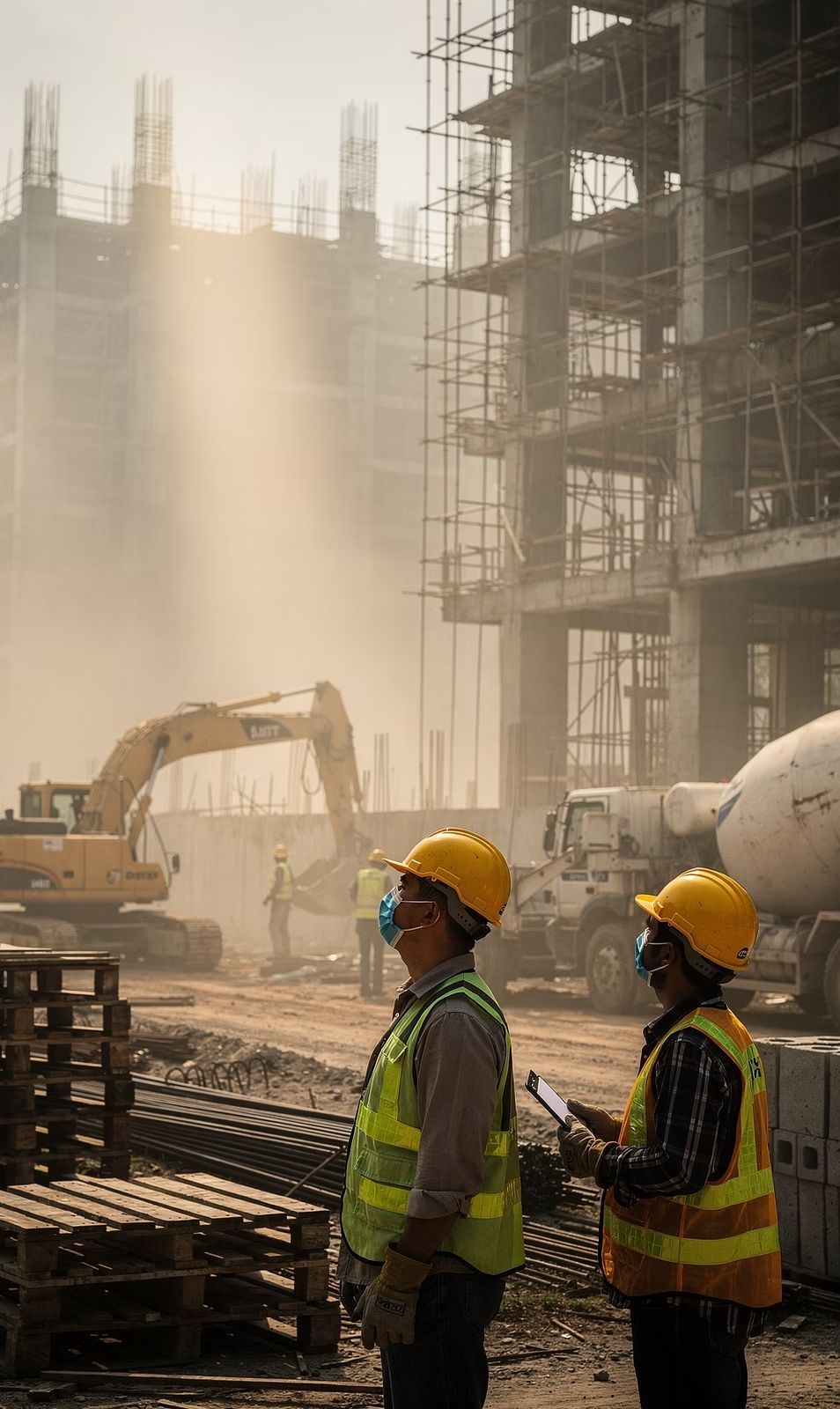
Prolonged haze creates uneven business exposure. Offices may adjust working arrangements, but construction sites,
plantations, loading yards and outdoor service businesses cannot easily relocate their core activities. These
organisations face reduced productivity, additional protection costs and possible work stoppages.
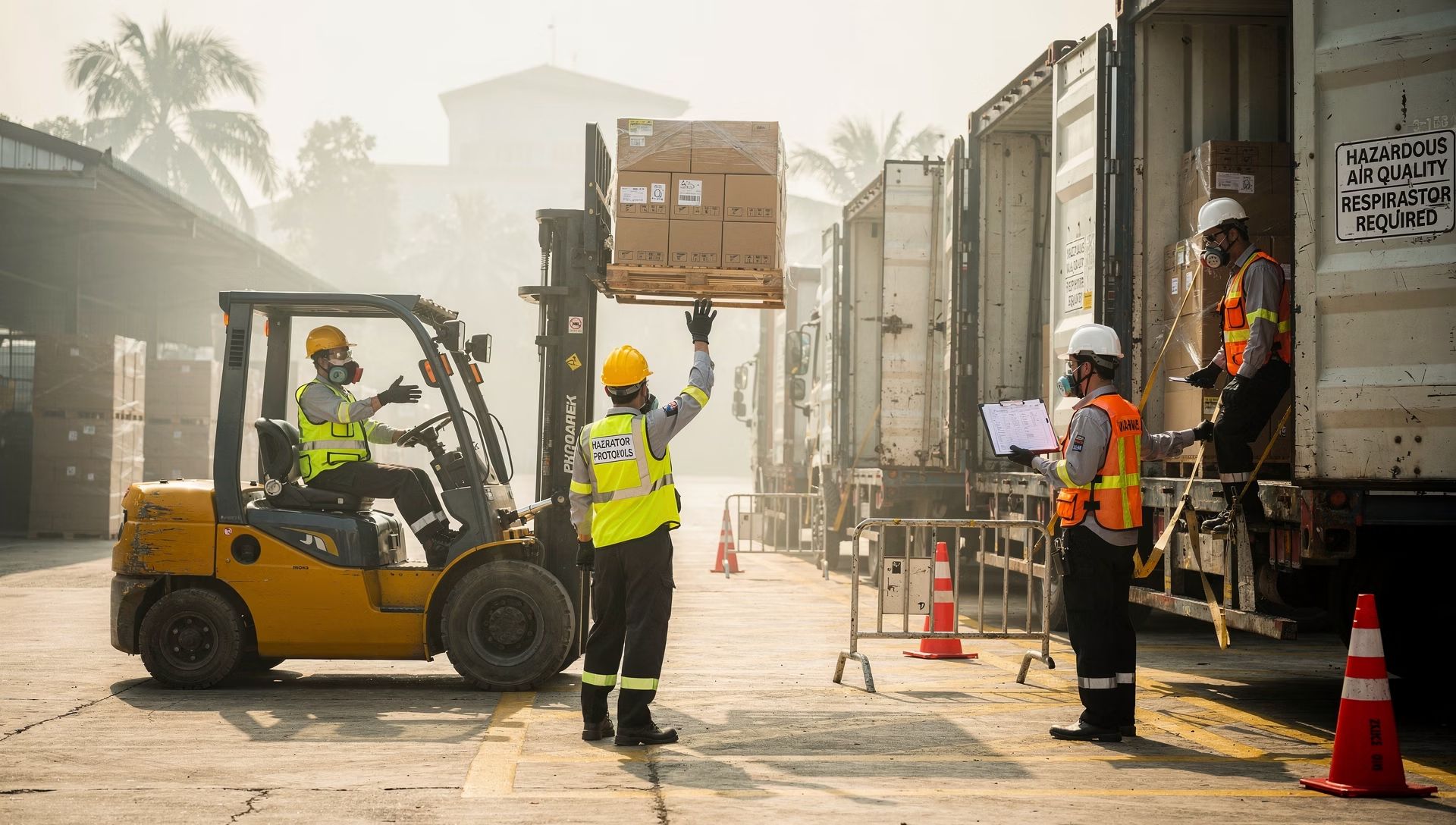
The Department of Occupational Safety and Health (DOSH/JKKP) issued the Guidelines for the Protection of
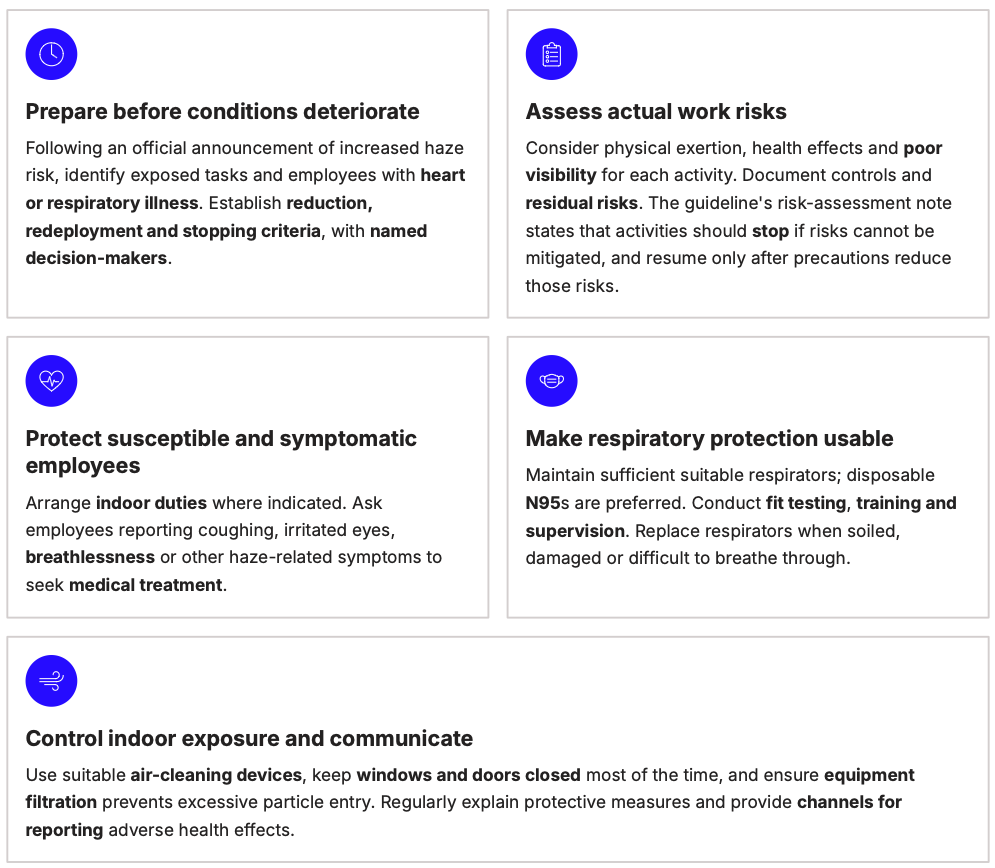
Employees Against the Effects of Haze at Workplaces, Second Edition 2026. It covers preparation, susceptible
employees, outdoor work, respirators, indoor protection, equipment filtration and employee communication.
The guideline states no separate commencement date or grace period. Employers should apply it now when managing
haze risks under their existing Occupational Safety and Health Act 1994 (OSHA) duties.
Although the guideline is not standalone legislation, employers' underlying obligations are enforceable. Section 15
requires employers, so far as practicable, to maintain a working environment that is safe and without health risks.
Breaches can attract, upon conviction, fines up to RM500,000, imprisonment up to two years, or both.
DOSH may order affected work to stop where haze presents immediate danger and risks remain uncontrolled.
Disobeying that order carries separate penalties. An unhealthy API reading does not automatically require every
business to close.
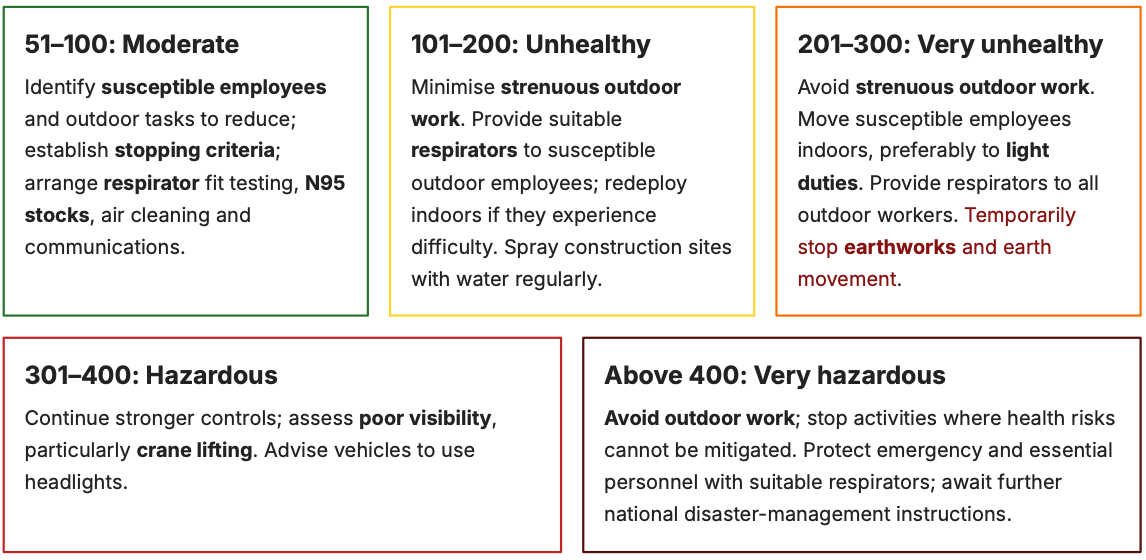
The guideline uses the 24-hour Air Pollutant Index (API):
Construction and infrastructure businesses face disrupted sequencing,
idle equipment and completion delays.
Plantations risk harvesting backlogs and crop deterioration.
Ports, logistics operators, shipyards and open fabrication facilities face
constraints on loading, handling and production.
Tourism, outdoor events and street-facing businesses may suffer both
operating restrictions and weaker demand.
Enclosed workplaces remain exposed through haze infiltration and
employee illness.
A roof or air-conditioning does not, by itself, establish adequate
protection.
Management should also budget for reduced output and review delivery commitments. Closer regulatory scrutiny is a
reasonable planning assumption during prolonged exposure, rather than a confirmed enforcement escalation.
Key Takeaway - Employers should translate haze guidance into task-specific controls, clear stopping decisions
and effective worker protection, with outdoor operations prepared for disproportionate disruption and cost.
Source: JKKP/ DOSH Haze Guidelines (2nd Edition) 14.10.2026