Malaysia's Inland Revenue Board (LHDN) has issued new guidelines clarifying the tax treatment of income earned by social media influencers. While the guideline primarily addresses how influencers are taxed, its implications extend
In recent years, influencer marketing has evolved from informal collaborations into structured commercial arrangements. Businesses now engage KOLs not only for advertising but also for training promotions, brand ambassadorships, product launches and live events. The new guideline recognises influencer activities as professional or business income, including payments received from advertising, sponsorships, digital content creation and speaking engagements. Although the tax obligation lies with the influencer, companies must reassess how these payments are documented and treated from a compliance perspective.

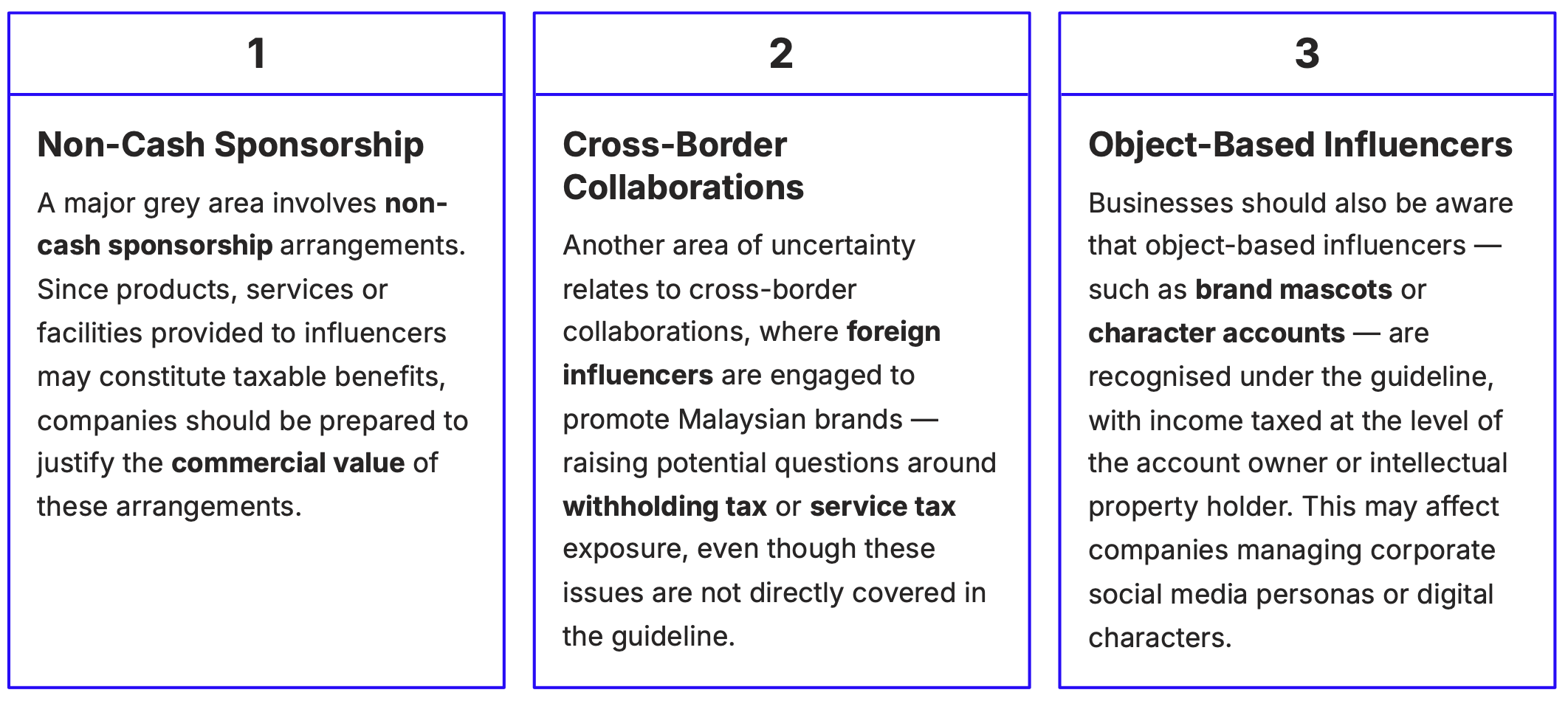
One key takeaway is that influencer engagements are no longer viewed as casual marketing interactions. Payments — whether in cash or in-kind — are considered taxable receipts to the influencer. This means businesses must maintain clearer records of what is provided to KOLs, including free products, sponsored travel, vouchers or promotional benefits.
From an accounting standpoint, companies should ensure that influencer fees are supported by contracts, invoices and evidence of deliverables. Without proper documentation, marketing expenses may face scrutiny during tax audits.
The guideline also highlights various influencer income streams such as ambassador fees, advertising income, royalties, and revenue from online events or training programs. For businesses, this reinforces the need to distinguish between advertising costs and professional service payments, particularly where influencers provide consultancy, hosting or training-related services.

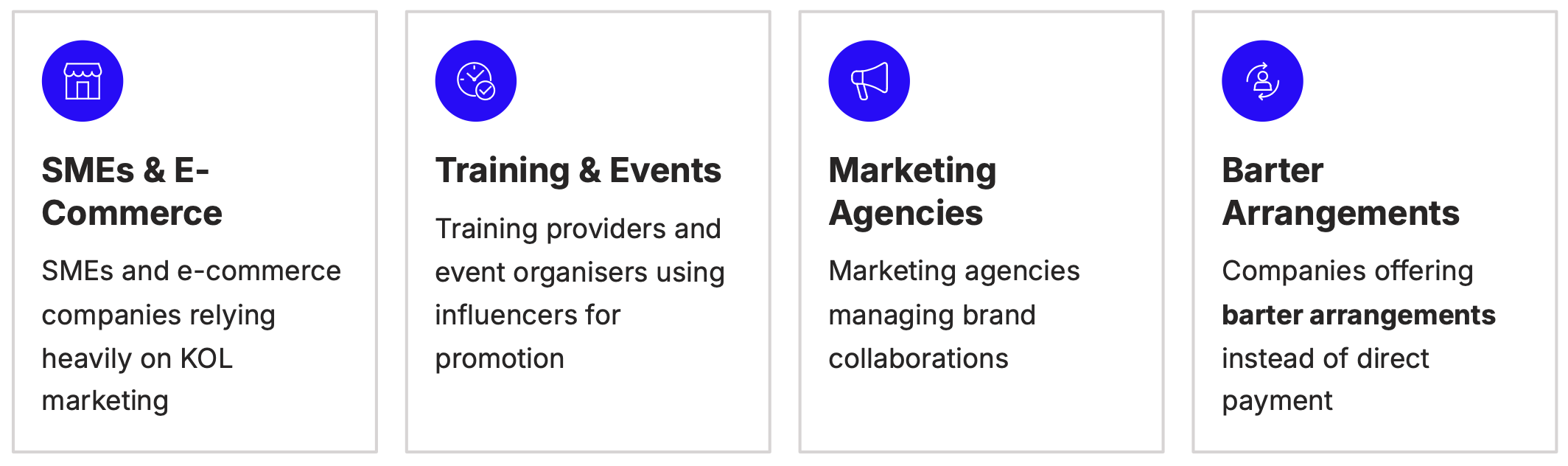
The impact will be felt most by:
Key Takeaway
Companies should review influencer-related engagement agreements, strengthen internal documentation and ensure marketing practices align with tax compliance expectations. In conclusion, businesses that adopt structured and transparent practices will be better positioned to manage regulatory risks while maximising the value of their KOL partnerships.