The E-Invoicing Compliance Review Framework is a formal compliance framework issued by LHDN to govern how E-Invoicing reviews, audits, and enforcement will be conducted.
This framework moves E-Invoicing from a guidance-based approach into a structured, auditable compliance regime, with:
- Clear audit procedures
- Defined timelines
- Transaction-based penalties
- Formal taxpayer rights and objection processes
In practical terms, E-Invoicing is now treated as core tax infrastructure, not a transitional initiative.

The framework applies under multiple tax laws, including:


• Compliance reviews may cover up to two Years of Assessment
• Prosecution can be initiated up to 12 years from the date of offence
• This means non-compliance today can still result in penalties many years later.
LHDN will conduct full-scope (comprehensive) audits only.
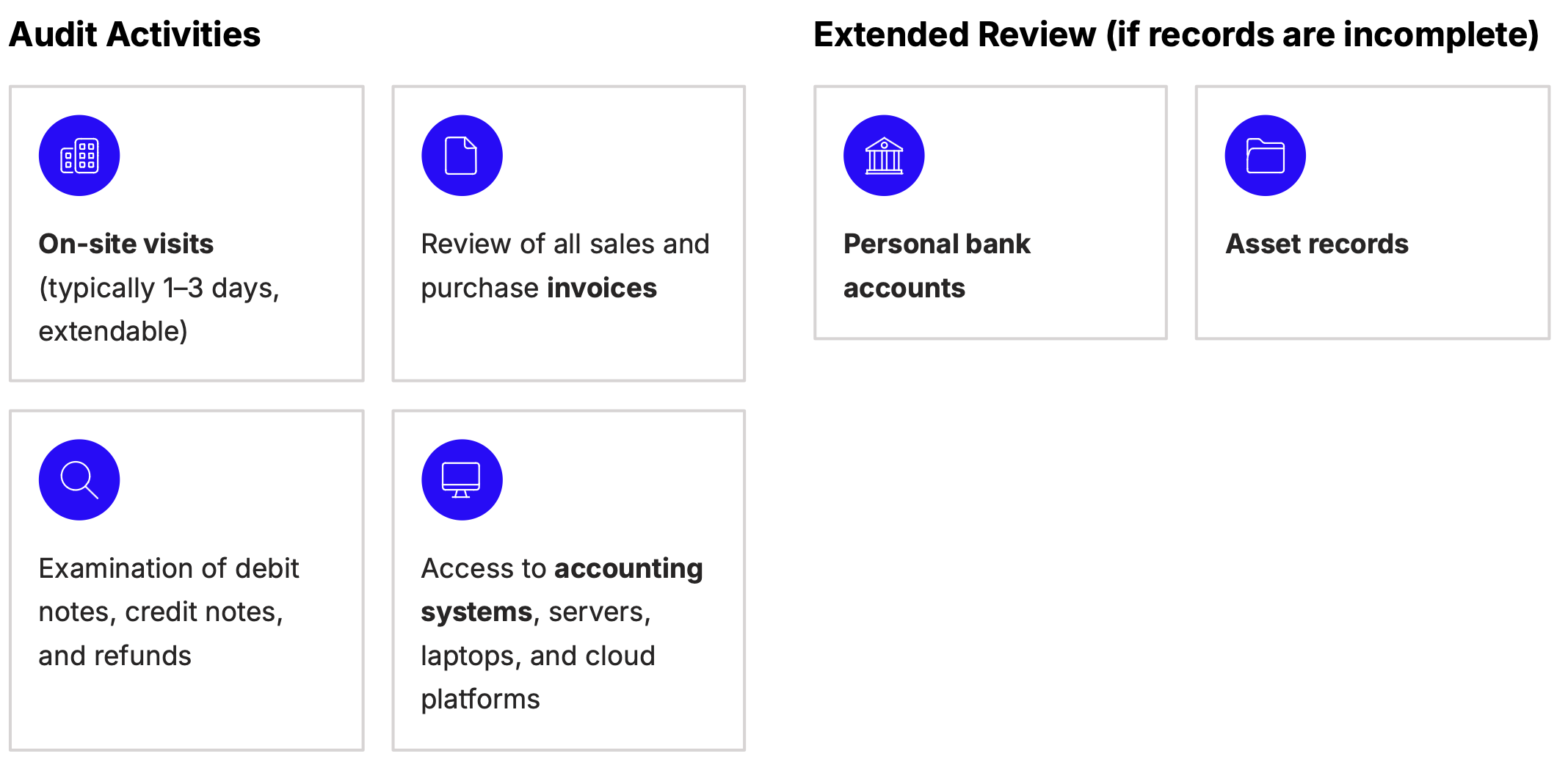
Manual workarounds, poor reconciliation, or incomplete digital records are now considered high-risk practices.

Before an audit begins, LHDN will issue a 14-day written notice, which will specify:

Audits are generally expected to be completed within 90 days.
Audit findings will be classified as:

Penalties under the framework apply per transaction, not per year.
Failure to issue or submit E-Invoicing may result in:
• Fines ranging from RM200 to RM20,000 per offence
• Imprisonment of up to 6 months
Penalties may apply to:
• Missing e-Invoices
• Self-billing failures
• Consolidated invoice failures
• Platform operators who fail to issue required e-Invoices
Small errors, when repeated, can escalate into significant exposure.
Taxpayers may still make voluntary disclosure, but only before an audit starts.
To be accepted, disclosures must include:
• Complete invoices (including missed e-Invoices)
• Ledgers and supporting documents
• Accurate and consistent explanations
Incomplete or last-minute disclosures may be rejected and will not protect taxpayers from penalties.
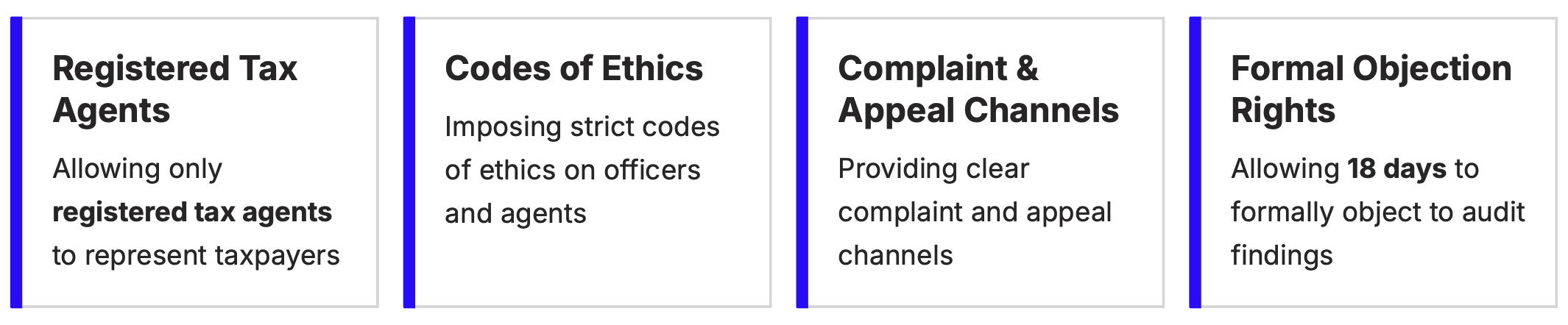
The framework also strengthens governance by:
Key Takeaway
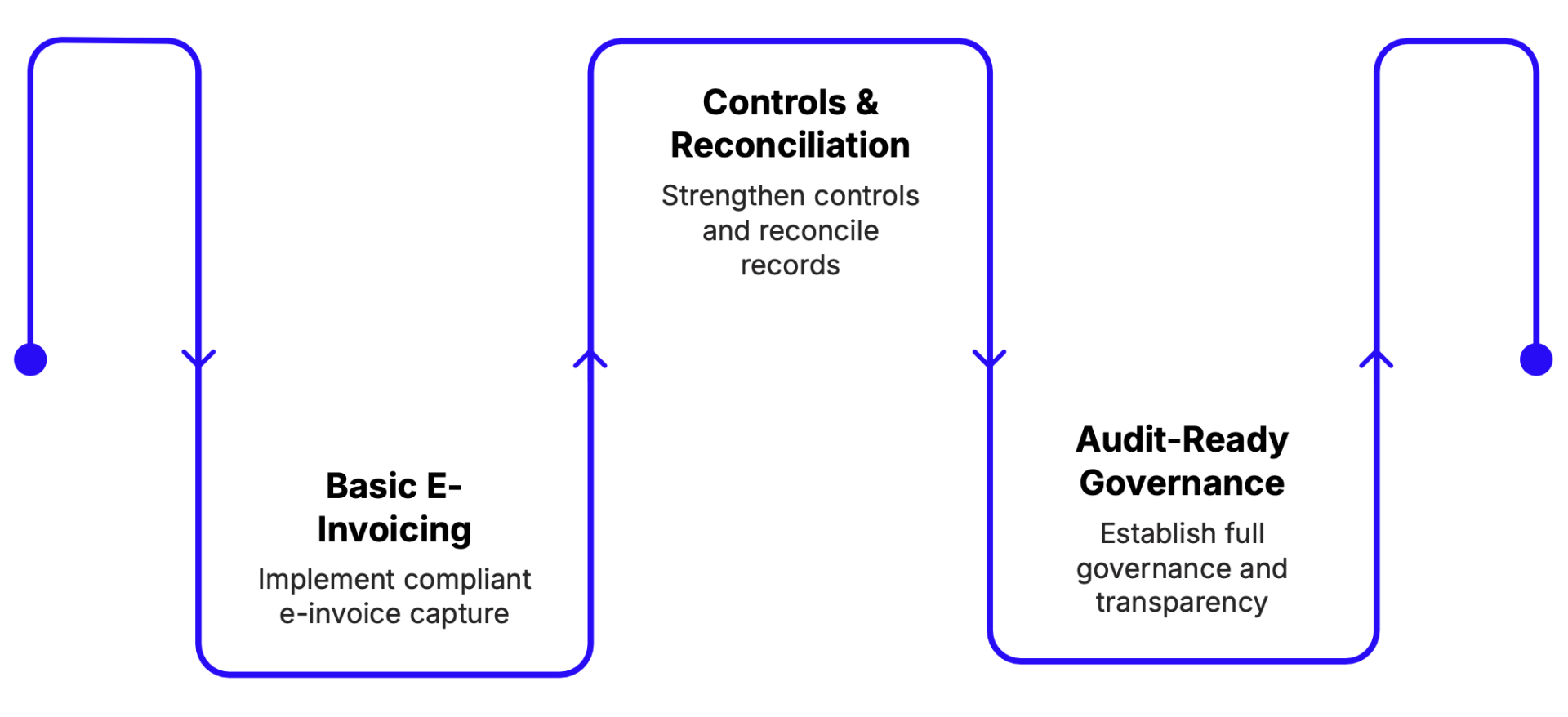
This framework signals that E-Invoicing enforcement has officially begun. From 15 December 2025, E-Invoicing is no longer just compliance—it is audit-ready taxation infrastructure. Businesses must move from basic implementation to strong controls, reconciliation, and governance.
Businesses that treat E-Invoicing as merely a technical exercise risk significant financial and legal exposure under this new regime.