Jul 24
E-Invoice Special Voluntary Disclosure Program (SVDP)

Effective Date: 7 July 2026
The Government has introduced the e-Invoice Special Voluntary Disclosure Program (SVDP), effective immediately
until 31 December 2027. Announced by the Prime Minister on 7 July 2026, the programme allows businesses to
voluntarily rectify e-Invoice non-compliance without penalties.
The SVDP recognises the practical challenges many organisations face during Malaysia's e-Invoice rollout. It provides a valuable opportunity to strengthen compliance before enforcement intensifies and should be viewed as a governance and risk management initiative rather than merely a tax concession.

Eligible Taxpayers
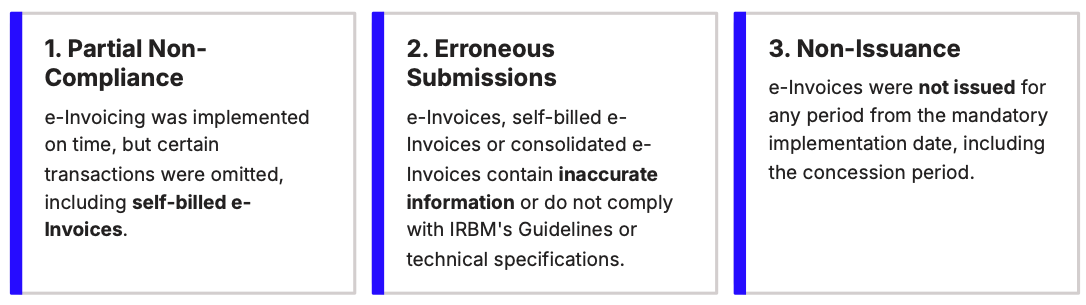
IRBM has confirmed the SVDP applies to businesses in three situations:

All voluntary disclosures must be complete, accurate and comply with IRBM's General and Specific Guidelines.
Why It Matters & The Cost of Waiting
Why It Matters
Although many organisations have
implemented e-Invoicing, compliance gaps
often remain due to:
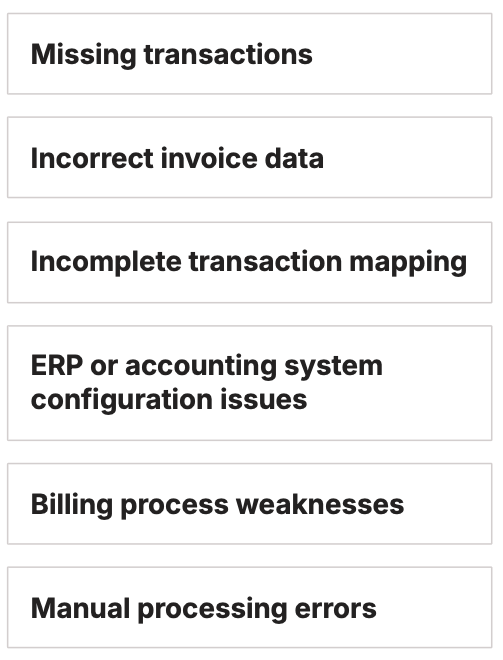
These gaps may expose businesses to
significant financial penalties once IRBM
commences detailed compliance reviews.
The Cost of Waiting
The SVDP is particularly valuable because the
cost of non-compliance can escalate quickly.
Under Section 120 of the Income Tax Act 1967,
failure to issue an e-Invoice, self-billed e-Invoice
or consolidated e-Invoice carries penalties
ranging from RM200 to RM20,000 per offence.
Each non-compliant transaction may constitute a separate offence, resulting in substantial cumulative exposure for high-volume businesses. Indicative compound rates shared by IRBM at the HASiL–CTIM Tax Forum 2026 include:
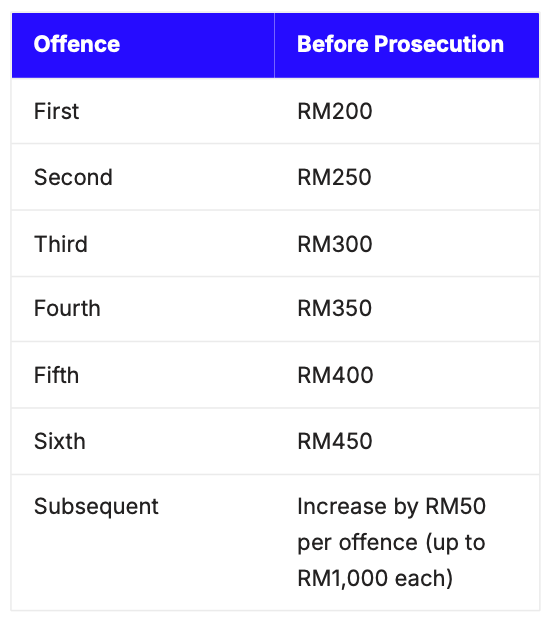

Where prosecution has commenced, compounds
begin at RM500 and may reach RM20,000 per
offence. IRBM's e-Invoice Compliance Review
Framework (issued 15 December 2025) enables
reviews covering up to two years of assessment,
increasing the likelihood that historical gaps will
be identified.
Next Steps & Opportunities
Government Incentive
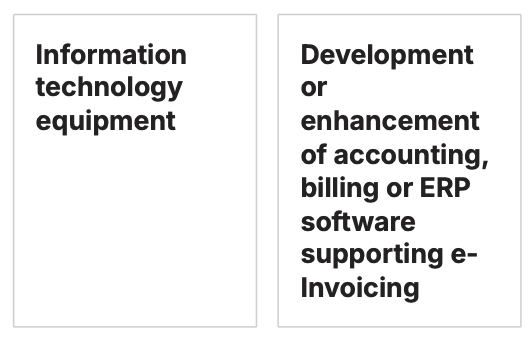
Beyond penalty relief, taxpayers that fully comply
with e-Invoicing may qualify for 100% capital
allowance within one year on qualifying
expenditure for:

This incentive reduces the cost of digital
transformation while strengthening long-term
compliance.
Recommended Actions
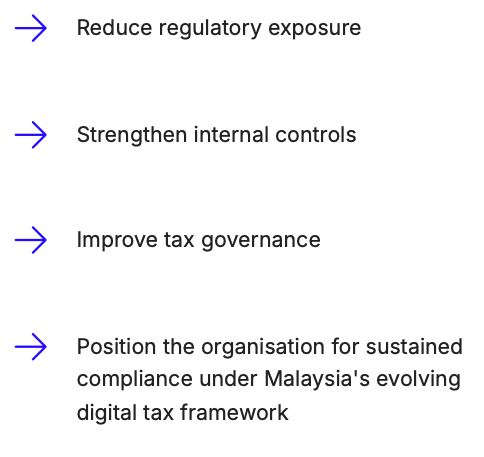
With the programme ending on 31 December
2027, organisations have a limited window to
rectify historical non-compliance without
penalties. Early action will:

Key Management Questions
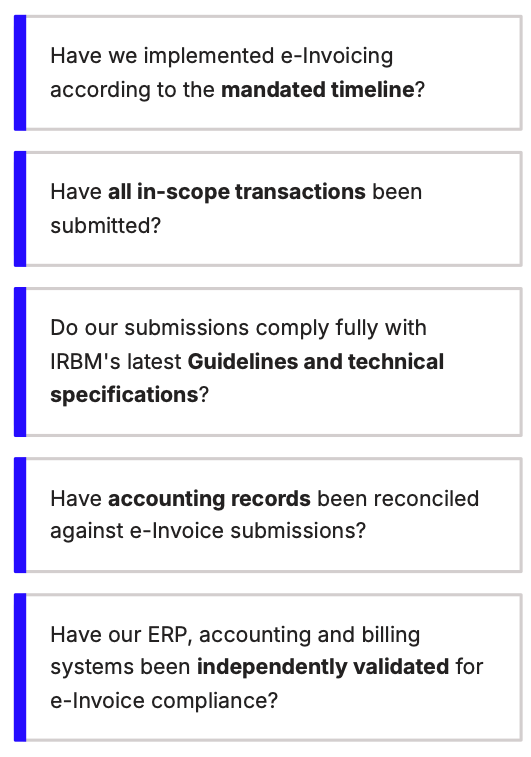
Management should assess whether the
organisation can confidently answer:

Any uncertainty should prompt a comprehensive
compliance review under the SVDP.
Key Takeaways
Management should leverage the SVDP to
conduct a structured e-Invoice health check —
covering transaction reconciliation, data quality
assessment, system validation, process review
and governance enhancement — rather than
merely correcting isolated errors.
Performance
Portal
About
Legal & Policy
Copyright © 2026 3ntity Sdn Bhd & Training Kaw Kaw